

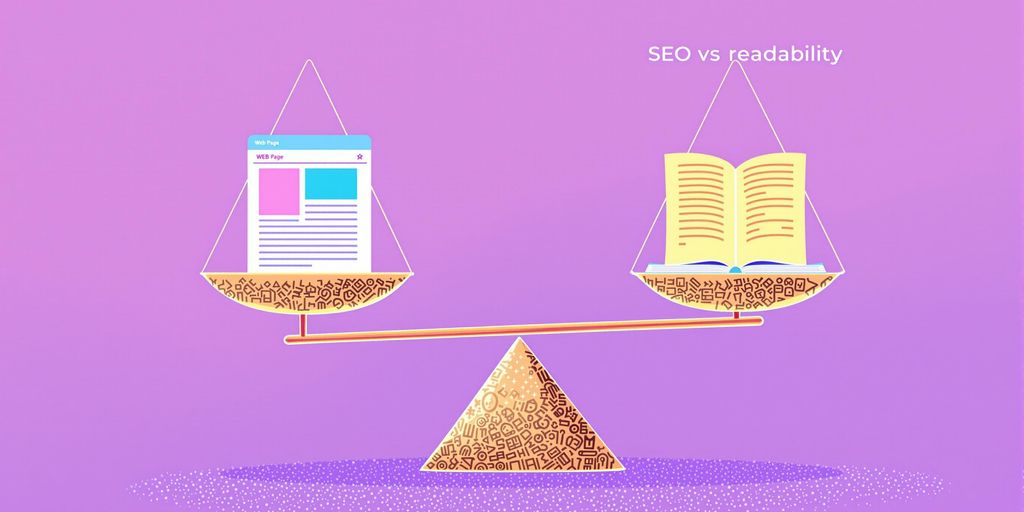
Balancing SEO with readability can feel like walking a tightrope. On one hand, you want your content to rank high on search engines. On the other, you need it to make sense and connect with real people. The good news? You don’t have to choose one over the other. With a few smart strategies, you can create content that’s both search-friendly and easy to read.
Key Takeaways
- SEO helps your content get discovered, but readability keeps readers engaged.
- Keyword stuffing is a no-go; focus on using them naturally.
- Short paragraphs and bullet points make your content easier to read.
- Catchy headlines can grab attention while still being SEO-friendly.
- Use tools to check both SEO and readability to find the right balance.
Understanding the Importance of SEO and Readability
Why SEO Matters for Online Content
When it comes to online content, SEO (Search Engine Optimization) is what gets your work noticed. Think of it like a map that guides search engines to your page. Without it, your content might as well be invisible. SEO helps your website rank higher in search results, which means more people are likely to click on it. It’s not just about stuffing your page with keywords; it’s about showing search engines that your content is relevant, reliable, and useful.
Here’s why SEO is a big deal:
- It drives organic traffic to your site without needing to pay for ads.
- It builds credibility when your site shows up on the first page of search results.
- It helps you reach the right audience by targeting specific search terms.
The Role of Readability in User Engagement
Now, let’s talk about readability. If SEO gets people to your page, readability keeps them there. Nobody wants to struggle through a wall of text or a confusing layout. When your content is easy to read, people are more likely to stick around, understand your message, and maybe even share it.
Good readability often means:
- Short sentences and clear language.
- Proper formatting, like headings and bullet points.
- A conversational tone that feels like you’re talking to a real person.
If visitors can’t quickly find what they’re looking for, they’ll bounce—and that’s bad news for your SEO.
How Search Engines Evaluate Readable Content
Search engines are getting smarter every year. They don’t just look for keywords anymore; they also evaluate how user-friendly your content is. Things like time spent on the page, bounce rates, and even how your text is structured can all impact your rankings.
Some factors search engines consider include:
- Does the content answer the user’s query?
- Is the text broken up into manageable chunks?
- Are multimedia elements, like videos or images, used to enhance understanding?
In short, SEO and readability go hand in hand. If you nail both, your content is more likely to perform well and actually connect with your audience. For more strategies on creating high-quality content, check out this guide.
Crafting Content That Appeals to Both Search Engines and Readers
Using Keywords Without Overstuffing
Keywords are important for SEO, but overloading your content with them can hurt both rankings and readability. Instead, aim to use them naturally in your sentences. For instance, if you’re writing about SEO-friendly content, mention it where it fits, like in introductions or conclusions. A good rule of thumb? Keep keyword density low and focus on making your content flow well.
Writing for Humans First, Algorithms Second
Always write for people before worrying about search engines. Readers are the ones engaging with your content, and if it doesn’t make sense to them, they’ll leave. Use conversational language, short sentences, and break down complex ideas. Once your draft feels natural, you can tweak it to include keywords or optimize it for SEO.
Balancing Technical SEO with Natural Flow
Striking a balance between technical SEO and a smooth reading experience isn’t always easy. Here’s a quick checklist to help:
- Use meta descriptions and alt tags for images.
- Ensure your content has proper headers (H1, H2, etc.).
- Avoid keyword stuffing; instead, spread keywords evenly.
A well-balanced post doesn’t feel robotic but still ticks all the SEO boxes. Focus on clarity and structure while keeping search engines in mind.
Optimizing Headlines and Subheadings for Dual Impact

Creating Attention-Grabbing Titles
A headline is often the first thing readers notice, so it has to pack a punch. Your title should instantly tell readers what they’ll gain from your content. Whether it’s solving a problem, answering a question, or offering a fresh perspective, make it clear. At the same time, incorporate your primary keyword naturally. For example, instead of "Tips for Gardening," try "10 Gardening Tips to Grow Healthier Plants." See the difference? It’s specific, engaging, and keyword-friendly.
Here are a few quick tips for crafting standout headlines:
- Keep it short and snappy—aim for under 60 characters.
- Use numbers or action words to make it more appealing.
- Test different versions to see which gets better results.
Incorporating Keywords Naturally in Subheadings
Subheadings help break up your content, making it easier to scan. But they’re also a great place to include keywords without overloading your text. Think of subheadings as mini-headlines. They should guide readers through your content while signaling to search engines what each section is about.
For instance, instead of writing "Why This Matters," you could say "Why Gardening Tools Are Essential for Beginners." It’s still conversational but adds context and a keyword. Just don’t force it—if a keyword doesn’t fit naturally, leave it out.
Structuring Subheadings for Easy Navigation
Good subheadings don’t just look nice—they make your content easier to follow. Readers should be able to skim through and understand the main points without reading every word. To do this:
- Use consistent formatting (e.g., H2 for main sections, H3 for subsections).
- Keep subheadings concise—aim for one sentence or less.
- Organize them logically so they flow from one idea to the next.
A well-structured article isn’t just reader-friendly—it’s search engine-friendly too. Subheadings help search engines "see" your content’s structure, which can improve your rankings.
By focusing on clear, engaging headlines and subheadings, you can create content that appeals to both readers and search engines, striking the perfect balance between readability and SEO.
The Role of Formatting in Enhancing Readability
Using Bullet Points and Lists Effectively
Lists are a simple way to make your content easier to read and understand. They break up walls of text and let readers quickly scan for the main points. Here’s how you can use them effectively:
- Use bullet points for short, related ideas or tips.
- Opt for numbered lists when presenting steps or a sequence.
- Keep each point concise—don’t overcomplicate it.
Readers appreciate content that’s easy to skim, and lists are one of the best tools for that. Plus, they naturally add structure to your writing, which search engines love.
Breaking Up Text with Short Paragraphs
Nobody likes a giant block of text. Short paragraphs are easier on the eyes and make your content feel less overwhelming. Aim for 2-3 sentences per paragraph, max. Think about it: when was the last time you willingly read a 10-sentence block without zoning out? Exactly.
Here’s a tip: mix in one-sentence paragraphs now and then for variety. It keeps the flow natural and engaging. Search engines also notice when users stick around longer, and readable formatting plays a big role in that.
Leveraging White Space for Better User Experience
White space—basically the empty areas on your page—might seem insignificant, but it’s not. It gives your content room to breathe and makes it feel less cluttered. This doesn’t mean leaving half your page blank, but rather spacing out elements like text, images, and headings thoughtfully.
Here’s why white space matters:
- It reduces visual strain, especially on smaller screens.
- It helps guide readers’ attention to key points.
- It creates a clean, professional look.
Sometimes, less is more. A well-placed margin or line break can make all the difference between content that feels chaotic and content that feels inviting.
For more on how to strike the perfect balance between SEO and readability, check out balancing SEO optimization with readability.
Tools and Techniques to Measure SEO and Readability

Using Readability Scoring Tools
When it comes to readability, scoring tools can be a game-changer. These tools analyze your text and provide a score that reflects how easy it is to read. A good readability score ensures your content is accessible to a wider audience. Some popular options include:
- Hemingway Editor: Highlights complex sentences and suggests simpler alternatives.
- Grammarly: Checks for clarity and tone while also flagging grammar issues.
- Readable: Offers detailed insights into readability metrics and suggestions for improvement.
These tools are especially handy if you want to strike a balance between professional tone and conversational ease.
Analyzing SEO Performance Metrics
SEO metrics give you a clear picture of how well your content is performing in search engines. Tracking these metrics helps you adjust your strategy for better results. Key metrics to monitor:
- Organic Traffic: How many visitors find your site through search engines.
- Bounce Rate: The percentage of users who leave after viewing just one page.
- Keyword Rankings: Tracks how your targeted keywords are performing over time.
Content analysis tools like Content Fusion can be incredibly useful here. They not only help with readability but also enhance your SEO strategy by optimizing key elements like meta descriptions.
Combining Data Insights for Content Improvement
Once you’ve gathered data from readability tools and SEO metrics, the next step is combining these insights. This is where you can truly refine your content. For example:
If your content has a high readability score but low organic traffic, it might mean your SEO needs work. On the other hand, strong keyword rankings but poor readability could signal a disconnect with your audience.
The goal is to use the data to create content that’s both engaging and easy to find. Regularly reviewing and tweaking your approach ensures you stay ahead in the ever-changing world of content creation.
Common Mistakes to Avoid When Balancing SEO and Readability
Overloading Content with Keywords
It’s tempting to cram in as many keywords as possible, but this can backfire. Search engines penalize keyword stuffing because it feels unnatural to readers. Instead, focus on weaving keywords into your content where they fit naturally. For example:
- Use variations of your main keyword to keep things fresh.
- Avoid repeating the same phrase multiple times in one paragraph.
- Write sentences that flow, even without the keyword.
Ignoring Mobile-Friendly Design
With so many people browsing on their phones, ignoring mobile users is a big mistake. Content that’s not mobile-friendly can lead to poor readability and higher bounce rates. Here’s what to keep in mind:
- Use responsive design to make sure your site adapts to any screen size.
- Keep paragraphs short—nobody likes scrolling through a wall of text.
- Test your site on different devices to catch formatting issues.
Remember, a mobile-friendly site doesn’t just look good—it keeps readers engaged.
Focusing Solely on Search Rankings
Yes, SEO is important, but don’t forget about the humans reading your content. If you only write for search engines, your audience might find the content dry or robotic. Balance is key:
- Write headlines that are both descriptive and engaging.
- Structure your content with headers and bullet points for easy reading.
- Prioritize clarity over trying to rank for every single keyword.
By avoiding these common pitfalls, you can create content that appeals to both search engines and readers alike. Striking this balance will help you maintain better engagement and improve your overall SEO performance.
When trying to make your writing good for both search engines and readers, it’s easy to make mistakes. One big mistake is focusing too much on keywords and forgetting about the reader. Another is making your content too complicated, which can turn people away. To avoid these issues, always think about your audience first. Want to learn more about writing great content? Visit our website for tips and tools that can help you!
Wrapping It Up
Balancing SEO and readability might feel like a juggling act, but it’s totally doable. The key is to keep your audience in mind while also giving search engines what they need. Write like you’re talking to a friend—keep it simple, clear, and easy to follow. At the same time, sprinkle in those keywords naturally, so they don’t stick out like a sore thumb. It’s not about stuffing your content with SEO tricks; it’s about making it useful and enjoyable for real people. When you get that balance right, you’ll not only rank better but also keep readers coming back for more. And honestly, isn’t that the whole point?
Frequently Asked Questions
Why is it important to balance SEO and readability?
Balancing SEO and readability ensures your content ranks well on search engines while keeping readers interested and engaged.
What happens if I use too many keywords in my content?
Overusing keywords can make your content look unnatural and may even hurt your search engine rankings.
How can I make my content easy to read?
You can use short sentences, simple words, and break up text with headings, bullet points, and white space.
Do search engines care about readability?
Yes, search engines value content that is clear and easy to understand because it improves user experience.
What tools can I use to check readability?
Tools like Hemingway Editor and Grammarly can help you measure and improve the readability of your content.
Is it okay to focus only on SEO?
No, focusing only on SEO can make your content less enjoyable for readers, which might hurt your site’s performance in the long run.