
Okay, so 2025 is almost here, and if you’re selling on Amazon, you’ve probably heard a lot about influencer marketing. It’s not exactly new, but how we use it for Amazon FBA is really changing. Think less about random shout-outs and more about real partnerships that actually help you sell stuff. This article is all about figuring out how to make influencer marketing work for your Amazon FBA business next year. We’ll cover how to find the right people, what kind of content works best, and how to actually tell if it’s worth your money. Let’s get into it.
Key Takeaways
- Finding the right influencers for your Amazon FBA brand in 2025 means looking beyond follower counts to focus on audience engagement and content that matches your products.
- Building genuine relationships with influencers is key; treat them as partners, not just advertisers, for more authentic promotion.
- Tailoring content specifically for the Amazon marketplace, including using Amazon Live and influencer storefronts, can significantly boost conversion rates.
- Measuring the success of your influencer campaigns requires tracking specific metrics like sales driven and return on ad spend (ROAS) to understand what’s working.
- Staying updated on trends like niche influencers and video content will be important for effective influencer marketing for Amazon FBA in 2025.
Leveraging Influencer Marketing for Amazon FBA Success in 2025
Understanding the Power of Influencer Partnerships
Working with influencers on Amazon FBA isn’t just about getting a product in front of more eyes; it’s about tapping into trust. People really listen to what creators they follow say, especially when it comes to products they might buy. For Amazon sellers in 2025, this means influencer partnerships are a direct line to potential customers who are already interested in what you offer. It’s not just about a quick sale, either. When an influencer genuinely likes and uses your product, they can help build a real connection between your brand and their followers. This can lead to repeat business and people who actually stick with your brand long-term. Think of it as getting a trusted friend to recommend your product to their friends. It’s a much more effective way to get noticed than just running ads that people might scroll past. You can explore the evolving landscape of influencer marketing for Amazon sellers in 2025 here.
Identifying the Right Influencers for Your Brand
Finding the right person to promote your product is super important. It’s not enough for them to have a lot of followers; you need to make sure their audience is actually interested in what you sell. Look at what kind of content they usually make. Does it fit with your product? Do their followers seem engaged and likely to buy things based on their recommendations? It’s about finding someone whose style and audience naturally match your brand. You want someone who can talk about your product in a way that feels real and not just like a sales pitch. This means checking out their past sponsored posts to see how they handle them and if their audience responds well. A good fit means the influencer’s content complements your product, making it seem like a natural addition to their recommendations.
Building Authentic and Long-Term Influencer Relationships
Building a good relationship with an influencer goes beyond just sending them a product and hoping for the best. It’s about treating them like a partner. This means being clear about your goals, what you expect, and what you can offer them in return. When influencers understand your brand and what you’re trying to achieve, they can create content that really works. It’s also about being transparent. If you’re upfront about your expectations and provide them with the information they need, they can do a better job. Long-term relationships are built on trust and mutual respect. When you find influencers who are a great fit and treat them well, they’re more likely to keep promoting your products and help your brand grow over time. This kind of partnership can really help your brand stand out and build loyalty with customers.
Strategic Approaches to Influencer Collaboration

Content Compatibility and Conversion Optimization
When you’re looking for influencers to work with, it’s not just about how many followers they have. You really need to think about whether their content fits with your product. Does it feel natural for them to talk about what you’re selling? If an influencer’s usual posts are about, say, high-tech gadgets, and you’re selling handmade soaps, it might feel a bit forced. Finding that sweet spot where their audience is already interested in what you offer is key. It’s also super important to look at their past performance. Have their recommendations actually led to sales for other brands? You want someone who doesn’t just show off products, but actually persuades their followers to buy them. This is where you can really see a difference in your Amazon sales.
Tailoring Content for the Amazon Marketplace
Influencers need to get what makes Amazon tick. They should understand that people on Amazon are often looking to buy, not just browse. So, the content they create should point directly to your Amazon listing. Think about product reviews that highlight specific features, or tutorials that show your product in action. It’s also smart to have them mention things like Prime shipping or Amazon’s return policy if it applies. This makes the whole process smoother for the customer. Remember, the goal is to make it as easy as possible for someone to click over to your Amazon page and make a purchase. It’s about making that connection between the influencer’s recommendation and the actual buy button.
Measuring Influencer Campaign Performance
Okay, so you’ve got influencers posting. Now what? You can’t just guess if it’s working. You need to track things. How many people clicked the link the influencer shared? How many of those clicks turned into sales? Amazon provides some data, but you might need other tools too. Look at things like:
- Traffic to your Amazon listing: Did it spike when the influencer posted?
- Sales volume: Did your sales go up during and right after the campaign?
- Conversion rates: How many people who clicked actually bought something?
- Brand mentions and engagement: What are people saying in the comments?
Tracking these metrics helps you understand which influencers are actually driving results and which ones might not be the best fit for your brand. It’s all about getting a clear picture of your return on investment.
It’s also worth looking at how influencer marketing can boost your Amazon ranking. When you get more traffic from outside sources, like an influencer’s social media, Amazon’s algorithm notices. This can help your products show up higher in search results, which means even more people will see them. It’s a nice little cycle that can really help your business grow on the platform. For more on how this works, you can check out B2B influencer marketing.
Maximizing Reach with the Amazon Influencer Program
Navigating the Amazon Influencer Program
The Amazon Influencer Program is a game-changer for sellers wanting to boost their presence on the platform. It’s basically a way for creators to build their own storefronts on Amazon, featuring products they love and recommend. Think of it as a curated shop, but powered by someone with a following. This program helps bridge the gap between brands and consumers, making it easier for shoppers to discover new items through trusted voices. It’s a big shift from just running ads; it’s about building relationships. If you’re looking to get your products in front of more eyes, understanding how this program works is key. It’s a structured way to connect with creators who can genuinely introduce your items to their audience. For those already in the program, focusing on authentic content is how you maximize earnings. Check out MyFBAPrep’s guide to get the most out of it.
Utilizing Influencer Storefronts and Amazon Live
Influencer storefronts are a really neat feature. They act like a personal landing page for each influencer on Amazon, showcasing all the products they’ve recommended. This makes it super easy for their followers to find and buy items directly. It’s not just about a single post; it’s a persistent space where recommendations live. Then there’s Amazon Live. This is where influencers can stream live video, demonstrating products in real-time, answering questions on the spot, and creating a sense of urgency. It’s interactive and can really drive immediate sales. Imagine a live unboxing or a demo of your product – that’s the power of Amazon Live. It’s a dynamic way to connect with potential customers and show off what makes your product special.
Tools and Technologies for Influencer Empowerment
To really make influencer marketing work on Amazon, having the right tools is important. You need ways to find the right influencers, manage your outreach, and track what’s working. This includes things like:
- Influencer Discovery Platforms: Tools that help you find creators whose audience matches your target demographic.
- Communication and Tracking Software: Services that help you manage your outreach emails, track responses, and monitor campaign performance.
- Analytics Dashboards: Platforms that provide data on sales, traffic, and engagement generated by influencer campaigns.
Using professional email services for outreach is a good idea. It helps make sure your messages actually get delivered and don’t end up in spam folders. Plus, personalizing your emails shows you’ve done your homework and genuinely think the influencer is a good fit for your brand. It’s all about making that connection.
Ultimately, influencer marketing is a powerful way to grow your Amazon business. By finding the right partners, setting clear goals, and keeping an eye on your results, you can build strong relationships that lead to lasting success. If you need help with this, services like Turnkey Product Management can guide you through the process, from finding influencers to running your campaigns effectively. They can help you scale your business on Amazon.
Integrating Influencer Marketing into Your Amazon Strategy
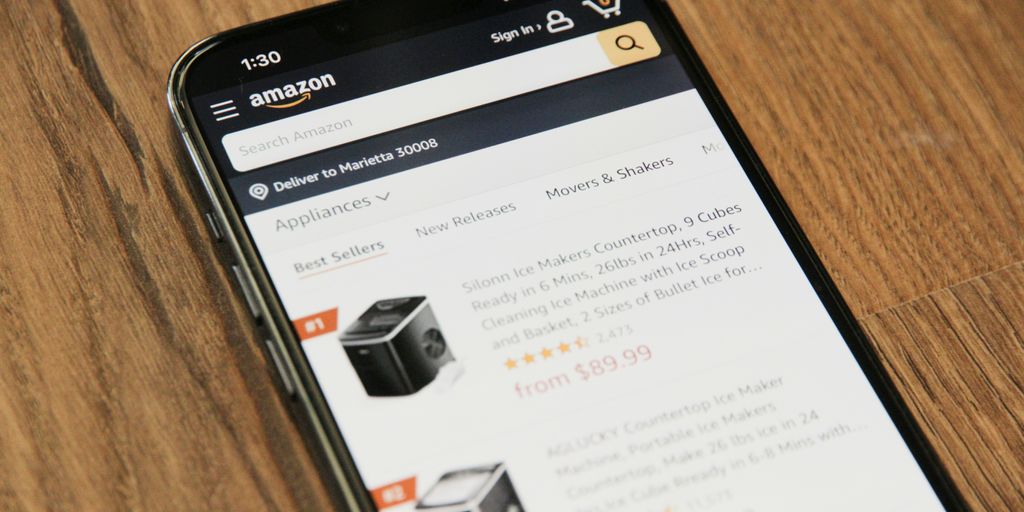
So, you’ve got a handle on finding influencers and building those relationships. That’s awesome. But how do you actually weave influencer marketing into the bigger picture of selling on Amazon? It’s not just about getting a few posts out there; it’s about making it a real part of how you do business. Think of it as adding a trusted friend’s recommendation to your product listing.
Driving Sales Through Influencer Recommendations
This is probably the most obvious benefit, right? When an influencer you’ve partnered with talks about your product, and their followers actually buy it, that’s a direct win. It’s not just about getting eyeballs on your listing; it’s about getting qualified eyeballs. People who trust the influencer are more likely to trust the product they’re showing off. It’s a pretty straightforward way to boost your sales figures. We’re talking about people who genuinely like what the influencer shares, so when they point to your item, it feels less like an ad and more like a helpful tip. This kind of endorsement can really move the needle on your sales.
Building Brand Loyalty with Influencer Collaborations
Beyond just the immediate sales bump, influencer marketing can do wonders for your brand’s reputation. When influencers consistently feature your products in a positive light, and their audience sees that, it builds a sense of familiarity and trust. It’s like having a friendly face associated with your brand. Over time, this can turn one-time buyers into repeat customers who actively seek out your products because they associate them with the influencer they follow. This loyalty is gold, especially in the crowded Amazon space. It’s about creating a connection that goes beyond just the transaction.
The Impact of Influencer Marketing on Brand Visibility
Let’s be real, getting your product noticed on Amazon is tough. Influencer marketing is a fantastic way to cut through the noise. When influencers share your products, especially on platforms like Amazon Live or through their dedicated storefronts, they’re essentially giving your brand a spotlight. This exposure introduces your brand to new audiences who might never have found you otherwise. It’s not just about getting seen once; it’s about consistently showing up where your potential customers are already spending their time. This increased visibility can lead to more organic traffic and a stronger overall presence on the platform. It’s a smart way to get your brand in front of more eyes, leading to more opportunities for sales on Amazon.
It’s easy to get caught up in the numbers – clicks, conversions, sales. But don’t forget the human element. Influencers are people connecting with other people. Building genuine relationships and focusing on authentic content will always yield better long-term results than a quick, transactional approach. Think about how you discover new things – it’s often through people you trust, not just ads.
Key Trends Shaping Influencer Marketing for Amazon FBA in 2025
As we look ahead to 2025, the influencer marketing landscape for Amazon FBA sellers is really shifting. It’s not just about getting a shout-out anymore; it’s about smart partnerships that actually drive sales and build lasting connections. The focus is moving towards creators who have a genuine connection with their audience and can translate that trust into product recommendations that convert.
The Rise of Niche Influencers
Forget those mega-influencers with millions of followers who might not even use your product. In 2025, we’re seeing a big push towards niche influencers. These are creators who focus on very specific topics, like sustainable home goods, specific types of pet supplies, or even a particular brand of kitchen gadget. Their followers are highly engaged and trust their opinions within that specific area. Working with them means your product gets in front of an audience that’s already interested, making them more likely to buy. It’s about quality over quantity when it comes to audience reach.
Leveraging Video Content and Live Streams
Video is still king, and on Amazon, that means embracing formats like Amazon Live and short-form video. Think product demos, unboxing videos, and tutorials that show your product in action. These visual formats are incredibly effective for demonstrating value and answering customer questions before they even ask them. Live streams, in particular, offer a real-time, interactive way to connect with potential buyers, answer questions on the spot, and create a sense of urgency. This direct engagement can significantly boost conversion rates.
Data-Driven Personalization in Influencer Campaigns
This is where things get really interesting. Instead of just sending products and hoping for the best, successful campaigns in 2025 will be heavily reliant on data. This means understanding which influencers are actually driving traffic and sales to your Amazon listings. Tools that track referral traffic and conversion rates are becoming essential. We’re also seeing a trend towards more personalized content from influencers, where they tailor their messaging to specific audience segments. This approach, combined with smart retargeting strategies off-platform, can make influencer marketing much more effective. It’s about making sure the right message reaches the right person at the right time, ultimately improving your Amazon marketing strategy.
The key takeaway here is that influencer marketing is becoming more sophisticated. It requires a strategic approach, careful selection of partners, and a commitment to measuring results. Brands that adapt to these trends will find themselves with a significant advantage in the competitive Amazon marketplace.
Avoiding Common Pitfalls in Influencer Marketing
When you’re trying to get your product noticed on Amazon, working with influencers seems like a great idea. But it’s not always smooth sailing. Lots of sellers jump in without really thinking things through, and that’s where problems pop up. It’s easy to get caught up in the excitement, but a little planning goes a long way.
The Importance of Strategic Alignment
First off, you really need to make sure the influencer you pick actually fits with your brand. It’s not just about follower count; it’s about whether their audience is likely to buy what you’re selling. If an influencer talks about, say, high-end tech gadgets, and you sell handmade soaps, it’s probably not going to work out. Their followers are there for different stuff. Finding someone whose content naturally matches your product is key. You don’t want to force a connection that isn’t there. Think about it like this: would a fitness guru promote a new brand of candy? Probably not, unless they’re being super upfront about it being a cheat day treat, and even then, it might feel off. It’s about making sure the partnership feels genuine to everyone involved, including the people watching.
Ensuring Authenticity in Sponsored Content
People can spot fake endorsements from a mile away. If an influencer just reads a script and doesn’t seem to actually like the product, their followers will notice. This can actually hurt your brand more than help it. It’s important that the influencer genuinely uses and believes in your product. They should be able to talk about it in their own words, sharing their real experiences. This means giving them some creative freedom, rather than dictating every single word. Transparency is also a big deal here. Influencers need to clearly state that the content is sponsored. Hiding that fact is a fast track to losing trust. You can track your outreach efforts to keep things organized [8cfb].
Setting Realistic Expectations for ROI
Another common mistake is expecting instant, massive sales from every single influencer campaign. It doesn’t always work like that. Influencer marketing is often about building brand awareness and trust over time, not just immediate sales spikes. You need to look at more than just direct sales when you measure success. Things like increased website traffic, more social media engagement, and brand mentions are also important indicators. It’s a good idea to set clear goals before you start, but make sure those goals are actually achievable. For example, instead of expecting an influencer to sell 1,000 units in a week, maybe aim for a certain number of clicks to your Amazon listing or a specific engagement rate on their post. It’s a marathon, not a sprint, and understanding that will save you a lot of headaches.
When working with influencers, it’s easy to miss important steps. Watch out for picking the wrong people or not giving them clear instructions. These mistakes can really hurt your campaign. Want to learn more about how to avoid these common problems and make your influencer marketing a big success? Visit our website today for expert tips and strategies!
Wrapping It Up: Your 2025 Amazon FBA Influencer Game Plan
So, selling on Amazon is tough, no doubt about it. But by using influencer marketing the right way, you can really make your products stand out. It’s not just about picking anyone; you need to find creators who actually fit your brand and whose followers trust them. Think about how they can show off your product in a way that feels real. Remember to keep an eye on what’s working and what’s not, and don’t be afraid to try new things. The Amazon world changes fast, so staying flexible and learning as you go is key. By focusing on these smart influencer strategies, you’ll be in a much better spot to grow your Amazon FBA business in 2025 and beyond.
Frequently Asked Questions
Why are influencers important for Amazon sellers?
Think of influencers as trusted friends who share product ideas. When they talk about a product on Amazon, their followers often listen and buy. For Amazon sellers, working with these influencers can help more people discover and buy their stuff.
How do I find the best influencers for my products?
It’s like picking the right teammate for a game! You want someone whose followers are interested in the same kinds of things you sell. Look at what kind of videos or posts they usually make and if their audience seems like they would like your products.
How can I build real relationships with influencers?
It’s all about being real. Don’t just ask influencers to say nice things. Work with them to create honest reviews or fun videos that show off your product naturally. Building a good relationship means they’ll keep wanting to share your products.
What is the Amazon Influencer Program?
Amazon has its own program where influencers can create special pages for your products and even do live shopping events. This helps their fans easily find and buy what the influencer recommends right on Amazon.
How do I know if an influencer campaign is working?
Keep an eye on how many people click on the influencer’s links, how many people buy your product after seeing their posts, and if your brand becomes more popular. This helps you know if your efforts are paying off.
Are influencers who focus on just one topic more helpful?
Yes, using influencers who focus on specific types of products, like just cooking gadgets or just pet toys, can be super effective. Their followers are already very interested in those specific things, making them more likely to buy what the influencer suggests.