
Getting your products to Amazon’s warehouses in 2025 can feel like a puzzle, especially with all the rules. But it doesn’t have to be a headache. This guide breaks down how to handle shipping to Amazon FBA in 2025, making sure your items arrive without problems. We’ll cover everything from getting your goods ready to sending them off, helping you save money and avoid common mistakes along the way. Let’s get your products moving smoothly to Amazon.
Key Takeaways
- Creating your shipping plan in Seller Central early is key to avoiding extra fees and planning shipments better.
- Always check Amazon’s product restrictions and follow box size and weight rules to prevent rejections.
- Use the right packing materials, like bubble wrap or kraft paper, and avoid things like packing peanuts.
- Properly label every box and pallet with Amazon’s required labels to make sure they get scanned correctly.
- Choosing a good freight forwarder who knows Amazon’s system can save you money and make the whole process easier.
Mastering Shipping to Amazon FBA in 2025: A Strategic Overview
Getting your products to Amazon’s fulfillment centers efficiently is a big deal for your business. It’s not just about getting items there; it’s about doing it right so you don’t run into problems. Think of it like planning a trip – you need to know where you’re going, how you’ll get there, and what to pack. For Amazon FBA, this means understanding the whole process from start to finish.
Understanding the Core Components of FBA Shipping
Shipping to Amazon FBA involves several key parts that all need to work together. You’ve got to prepare your inventory correctly, create a shipping plan in Seller Central, and then actually send the stuff off. Each step has its own set of rules, and missing even one can cause delays or get your shipment sent back. It’s really about being organized and following Amazon’s guidelines closely. Getting this right means your products are ready to sell as soon as they hit the warehouse, which is what we all want, right? Learning about Amazon FBA vs. dropshipping can also help you see where this fits into your overall selling strategy.
The Importance of a Solid Shipping Plan
Creating a shipping plan is like drawing up the blueprint for your inventory’s journey. It tells Amazon what’s coming, where it’s coming from, and how much of it there is. This plan is generated in Seller Central and is super important for a few reasons. First, it helps Amazon manage the incoming flow of goods, and second, it gives you the specific labels you need for your boxes. Making this plan early can actually save you money on shipping costs. It’s a foundational step that sets the stage for everything else.
Navigating Amazon’s Fulfillment Network
Amazon has a huge network of fulfillment centers, and they decide where your products need to go. Your shipping plan will tell you which centers are assigned for your inventory. Sometimes, your shipment might be split across multiple locations. Understanding how this network operates helps you prepare your shipments more effectively. It’s all about making sure your products end up in the right place at the right time, ready for customers to order.
Pre-Shipment Preparation for Amazon FBA Success
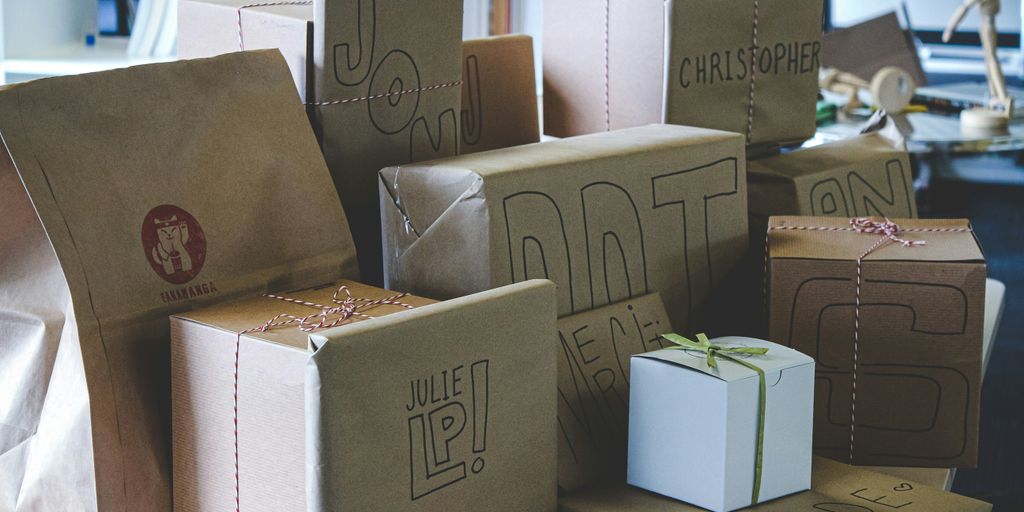
Getting your products ready to ship to Amazon FBA is a big deal. It’s not just about slapping a label on a box and sending it off. If you mess this part up, Amazon might reject your shipment, or worse, charge you extra fees. Nobody wants that, right?
Implementing Pre-FBA Inspection and Quality Control
Before anything leaves your supplier or your own hands, you really need to check your products. This means looking for any damage, making sure the quantity is right, and confirming that the product itself is exactly what you advertised. A thorough inspection catches problems before they become expensive headaches. Think about it: a customer gets a damaged item, leaves a bad review, and then you have to deal with returns. It’s way easier to catch that stuff early. You can do this yourself, or hire a service to do it for you. It’s all about making sure only good stuff gets sent to Amazon.
Inventory Preparation Beyond Basic Labeling
Okay, so you’ve got good products. Now, how do you prep them? It’s more than just the FBA label. You need to think about how each item is packaged. Some things need extra protection, like bubble wrap for fragile items. Others might need to be put in poly bags to keep them clean or to bundle multiple items together. You also need to make sure your products meet Amazon’s standards for things like expiration dates and packaging materials. For example, you can’t just use any old packing material; Amazon has a list of what’s allowed and what’s not. Using the wrong stuff can lead to your shipment being refused. It’s important to get your inventory ready according to Amazon’s guidelines.
Ensuring Product Compliance with Amazon Standards
This is where you really need to pay attention to the details. Amazon has specific rules for almost everything. Are your products restricted? Do they need special certifications? What about expiration dates? For perishables or items with a shelf life, you need to make sure they have enough time left before they expire when they arrive at the fulfillment center. You also need to check if your product requires a suffocation warning label, especially if it’s packaged in a plastic bag. Getting these compliance details wrong can cause major delays or even prevent your inventory from being accepted into the FBA program. It’s a lot to keep track of, but doing it right saves a ton of trouble later on.
Creating an Effective Shipping Plan in Seller Central
Think of your shipping plan as the blueprint for getting your products from your hands to Amazon’s fulfillment centers. It’s not just a formality; it’s where you can actually start saving money and avoiding headaches down the road. Getting this right means Amazon knows what’s coming, and you get the correct labels to send your stuff out.
Key Elements of a Comprehensive Shipping Plan
When you’re setting up your shipping plan in Seller Central, you’ll need to have a few things ready. This isn’t super complicated, but being organized helps a lot. You’ll need to list:
- The specific products you’re sending.
- How many of each product you have.
- How you plan to ship them (like small parcel or LTL) and roughly when.
- Who’s doing the prep work – you or Amazon.
This plan tells Amazon what to expect, and it’s also how you get the labels you need for each box. It’s a pretty important step, honestly.
Saving Costs Through Early Shipping Plan Creation
Creating your shipping plan early is a smart move. If you wait until the last minute, you might miss out on savings or run into unexpected charges. By getting your plan sorted before your products are even finished, you can:
- Spot potential issues, like special labeling needs or if a product is restricted.
- Avoid rush fees that pop up when you’re scrambling.
- Figure out the most efficient way to ship, maybe even combining orders.
Seriously, getting a rough idea of your shipping costs early on can help you budget better and avoid surprises. It’s like knowing the total cost of a home renovation before you start tearing down walls. You can get a general idea of all the expenses involved by looking at Amazon FBA business costs.
When to Finalize Your Shipping Plan
So, when’s the best time to actually lock in your shipping plan? The general advice is to do it as soon as you have a good estimate of when your products will be ready. This could even be before your products are manufactured. Once your supplier gives you a heads-up on production timelines, you can submit your plan to Amazon. This gives you enough time to get all the necessary shipping labels sorted out and understand the fees you’ll be paying. It’s better to have it done early than to rush and make a mistake.
Adhering strictly to Amazon’s FBA regulations is crucial for preventing unexpected fees and ensuring smooth delivery of your products. By following these guidelines carefully, you can potentially save a good chunk on your shipping costs. It’s all about being prepared and following the rules.
Remember, the details matter here. Things like box weight and dimensions have specific limits. For instance, boxes generally can’t be heavier than 50 lbs, and no side should be longer than 25 inches. Missing these details can lead to your shipment being rejected or costing you more than it should.
Adhering to Amazon FBA Regulations for Smooth Deliveries
Sticking to Amazon’s rules for sending stuff to their warehouses is super important if you want things to go smoothly. Messing up here can lead to delays, extra charges, or even your whole shipment getting sent back. It’s not fun, trust me.
Navigating Product Restrictions and Compliance
First off, you gotta make sure what you’re sending is even allowed. Amazon has a list of restricted products, and some things need special permission or can’t be sent through FBA at all. It’s a good idea to check this list before you even buy your inventory. You don’t want to get stuck with a bunch of stuff you can’t sell.
- Check the FBA Product Restrictions list: This is your go-to for what’s allowed and what’s not.
- Get necessary approvals: Some items, like certain health and beauty products or electronics, might need extra documentation or approval from Amazon.
- Understand hazmat rules: If you’re shipping anything considered hazardous, there are very specific rules you need to follow, and many of these items aren’t eligible for FBA.
It’s really about being proactive. A little bit of research upfront can save you a massive headache later on. Think of it like reading the recipe before you start cooking – you don’t want to find out halfway through you’re missing a key ingredient.
Understanding Box Dimensions and Weight Rules
Amazon is pretty strict about how big and heavy your boxes can be. They have these limits to make sure their warehouse staff and equipment can handle everything safely and efficiently. If your boxes are too big or too heavy, they might refuse them or charge you a hefty fee.
Here’s a quick rundown:
| Category | Limit |
|---|---|
| Box Weight | Max 50 lbs (40 lbs for jewelry/watches) |
| Single Item Weight | Max 50 lbs (unless marked for mechanical lift) |
| Box Dimensions | Max 25 inches on any side |
Remember, these are for standard boxes. If you have a single, heavy item that’s over 50 lbs, you’ll need to label it clearly as needing a "Team Lift" or "Mechanical Lift." This is all about safety in the warehouse. Getting these details right is key to avoiding problems when your shipment arrives at the Amazon fulfillment center.
Correct Packing Materials and Labeling Requirements
What you use to pack your items and how you label your boxes are also big deals. Amazon has specific guidelines to prevent damage and make sure your shipments can be scanned and processed quickly.
Allowed Packing Materials:
- Bubble wrap
- Full sheets of paper (heavy-weight kraft paper is best)
- Inflatable air pillows
- Polyethylene foam sheeting
Prohibited Packing Materials:
- Packing peanuts
- Foam strips
- Crinkle wrap
- Shredded paper
- Thermocol chips
- Styrofoam
When it comes to labels, every box needs an Amazon FBA Box ID label. If you’re sending pallets, you’ll need four pallet labels. Make sure these labels are printed clearly and placed on a flat surface where they can be easily scanned. Don’t ever reuse labels or put them on edges where they might get damaged or missed. Following these labeling rules helps your inventory get checked in without any hiccups.
Selecting the Right Shipping Method for Your FBA Inventory
Choosing how to get your products to Amazon’s warehouses is a big deal. It really affects your costs and how fast things get there. You’ve got a couple of main ways to go, and picking the right one depends a lot on how much stuff you’re sending and how often.
Choosing Between Small Parcel and LTL Shipping
For smaller amounts of inventory, like a few boxes, Small Parcel Delivery (SPD) is usually the way to go. Think of it like sending packages through UPS or FedEx. Each box gets its own tracking number, and you’ll pay based on the weight and dimensions of each individual box. It’s pretty straightforward.
Now, if you’re sending a lot more, maybe multiple pallets of goods, then Less Than Truckload (LTL) shipping is probably going to be more cost-effective. With LTL, you’re sharing a truck with other people’s shipments. It’s generally cheaper per pound than SPD for big quantities, but it can take a bit longer because your stuff might get moved around more. You’ll need to make sure your pallets are prepped correctly, following Amazon’s rules about size, weight, and how they’re wrapped. They have specific requirements, like using standard wooden pallets that are in good shape and not exceeding certain height or weight limits. It’s important to get this right to avoid extra fees or delays.
Here’s a quick look at when each might be better:
| Shipping Method | Best For | Key Considerations |
|---|---|---|
| Small Parcel Delivery (SPD) | Small quantities, individual items | Each box tracked, pay per box |
| Less Than Truckload (LTL) | Large quantities, multiple pallets | Cost-effective for bulk, can take longer, pallet prep needed |
Leveraging Amazon’s Partnered Carrier Program
Amazon has a program where they work with certain carriers, and it’s often a good deal for sellers. When you create your shipping plan in Seller Central, you can choose to use one of Amazon’s partnered carriers. They’ve negotiated rates, so it can be cheaper than setting up your own account with a carrier. Plus, it integrates nicely with your Amazon account, making tracking simpler. It’s a pretty popular choice for many sellers because it cuts down on the hassle of finding and managing your own shipping. You can get a good idea of the costs involved when you’re setting up your shipping plan.
It’s always a good idea to compare the rates from Amazon’s partnered carriers with what you might get directly from other carriers. Sometimes, especially if you have a lot of volume or a specific type of shipment, going direct might save you a bit more money. But for most people, the convenience and potential savings of the partnered program are hard to beat.
International Shipping Considerations and Duties
Shipping to Amazon FBA from outside the US adds another layer of complexity. You’ll need to think about customs, import duties, and taxes. These costs can add up quickly, so it’s important to factor them into your pricing. You’ll also need to make sure your products comply with the regulations of the country you’re shipping to. This might involve specific labeling or certifications. When you’re dealing with international shipments, using a freight forwarder can be really helpful. They can manage the customs clearance process and help you understand all the fees involved, making the whole process much smoother. It’s definitely something to research thoroughly before you send your first international shipment.
Dispatching Shipments to Amazon FBA Warehouses
Alright, so your products are prepped, labeled, and you’ve got your shipping plan all sorted out in Seller Central. Now comes the part where you actually send this stuff off to Amazon’s warehouses. It sounds simple enough, but honestly, there are a few things that can trip you up if you’re not paying attention.
Properly Labeling Boxes and Pallets
This is a big one. Every single box and pallet needs the right shipping label. Amazon gives you these labels in your shipping plan, and you absolutely have to print them out and stick them on correctly. Make sure each box has its own unique shipping label that matches exactly what’s in your plan. If you’re sending pallets, the rules are even stricter. They need to be the right size, weight, and wrapped up tight. Plus, you’ve got to put those pallet labels on where they can actually be seen, not hidden away somewhere.
Avoiding Common Pitfalls in Shipment Dispatch
People mess this up more than you’d think. A common mistake is using boxes that are too big or too small for what’s inside, or not securing heavier items properly so they don’t shift around. Another classic error is mixing items from different shipping plans into one box – Amazon really doesn’t like that. If you’re using Less Than Truckload (LTL) shipping, you also need to book a delivery appointment ahead of time and make sure your carrier has all the paperwork. It’s also a good idea to keep copies of everything, like your invoices and tracking numbers, just in case.
Tracking Your Shipment in Transit
Once your shipment is picked up and on its way, you can’t just forget about it. You need to keep an eye on it. Amazon usually gives you a way to track your shipments right in Seller Central. This lets you see where your stuff is and if there are any delays. If something does go wrong, like a shipment gets lost or damaged, having all your tracking info and paperwork handy makes it way easier to sort things out with the carrier or Amazon.
Optimizing Costs and Efficiency with Freight Forwarders
Why Your Choice of Freight Forwarder Matters
Look, getting your stuff to Amazon’s warehouses can be a real headache if you don’t have the right help. Even if your shipping plan is perfect and you’ve packed everything just right, Amazon might still send your shipment back if the company handling the transport isn’t up to speed with their rules. A good freight forwarder knows how to handle things like getting a dock appointment at the warehouse, which is basically a scheduled time to drop off your goods. If they miss that, Amazon might just refuse your delivery, and then you’re stuck with extra fees and a whole new shipping problem.
Services Offered by Experienced Logistics Partners
When you’re picking someone to move your inventory, you want a company that really knows the Amazon FBA game. They should have a solid history of getting shipments to Amazon centers on time and without any damage. It’s also important they can handle different types of shipping, whether it’s just a few boxes (small parcel) or a whole truckload (LTL or FTL). Plus, you want them to be upfront about their prices and have a good system for letting you know where your stuff is at all times. They should also be flexible enough to deal with Amazon’s rules, which can change.
Here’s a quick rundown of what to look for:
- Experience with Amazon FBA shipments
- Knowledge of Amazon’s specific requirements
- Good track record for on-time deliveries
- Ability to manage dock appointments
- Clear communication and tracking
Streamlining Operations with Digital Logistics Solutions
Using a digital platform can really simplify things. It’s like having a central hub where you can compare prices from different forwarders, book shipments, and track everything in one place. This kind of system can help you avoid mistakes and keep costs down. For example, some platforms can help you find rates that are up to 25% cheaper than going it alone. Plus, they often have experts available to help if you run into any issues. It’s all about making the whole process smoother and more predictable, so you can focus on selling your products instead of worrying about the shipping details. Remember, Amazon’s peak season charges can go up from October to January, so having an efficient system in place is even more important then. You can find out more about Amazon’s peak season charges.
Choosing the right partner can save you a lot of time and money. It’s not just about getting your products there; it’s about doing it efficiently and without any surprises.
Working with freight forwarders can really help you save money and make your shipping process smoother. They handle all the tricky parts of moving goods, so you don’t have to worry. Want to learn how to make your shipping cheaper and faster? Visit our website today to find out more!
Wrapping It Up: Your Path to Smoother FBA Shipping
So, getting your products to Amazon’s warehouses can feel like a puzzle sometimes, right? We’ve gone over how to make a solid shipping plan, stick to all those Amazon rules about boxes and labels, and why picking the right shipping company really matters. Doing this stuff well can save you a good chunk of change and stop those annoying shipment delays. It’s not always easy, but by paying attention to the details and maybe getting some help from folks who know the ropes, you can make your FBA shipping way less of a headache. Keep at it, and you’ll get the hang of it.
Frequently Asked Questions
What exactly is an Amazon FBA shipping plan and why do I need one?
Think of a shipping plan as a map for your stuff. You tell Amazon what you’re sending, how much of it, and how it’s getting there. This helps Amazon know what’s coming and makes sure you have the right labels for each box. Making this plan early can help you save money and avoid problems later.
What are the main rules for packing and labeling my FBA shipments?
Amazon has specific rules about how big and heavy boxes can be, and what materials you can use to pack things. For example, boxes usually can’t be heavier than 50 pounds, and they shouldn’t be bigger than 25 inches on any side. Using the wrong packing stuff, like packing peanuts, is also a no-go. Following these rules keeps your shipment from getting rejected or costing you extra money.
What are the different ways I can ship my products to Amazon FBA?
You have a couple of main choices. You can send smaller amounts in regular packages (like UPS or FedEx), which is called Small Parcel Delivery. If you have a lot of stuff, especially on pallets, it’s cheaper to use Less-Than-Truckload (LTL) shipping. Amazon also has a program where they work with certain shipping companies, which can sometimes be cheaper.
Why should I consider using a freight forwarder for my FBA shipments?
A freight forwarder is like a shipping helper. They deal with the tough parts of sending your products, especially if you’re shipping a lot or from another country. A good freight forwarder knows Amazon’s rules, can help you find cheaper shipping options, and keeps track of your shipment so you don’t have to worry as much.
When is the best time to create my shipping plan in Seller Central?
It’s best to create your shipping plan as soon as you know when your products will be ready, maybe even before they are made. This way, you can get your labels sorted out on time and have a good idea of the costs involved. Planning ahead helps avoid rush fees and makes sure everything is ready when it needs to be.
Are there any special rules I need to know about certain products or international shipping?
Yes, you should always check if Amazon has any rules about specific products you want to sell. Some items might be restricted or need special permission. Also, if you’re shipping internationally, you’ll need to know about customs fees and taxes. Being aware of these things beforehand prevents big surprises.